Cases

How we implement solutions on site

The following cases show the implementation path and quantifiable benefits from single-station automation to workshop-level digitalization.

PROJECT SNAPSHOT

Starting with one piece of equipment, expanding improvements to the entire workshop

Each project starts from on-site rhythm, equipment interfaces, and personnel collaboration, gradually forming replicable automation and digital capabilities.

4 categoriesCore solutions
6Typical implementation scenarios
To be verifiedKey process traceability ratio
By projectContinuous operation and management perspective

Data note: The project indicators shown on this page are values from the current case materials. The warehouse does not include original acceptance reports or statistical periods; before official release, the project leader should verify based on the number of devices, shifts, statistical periods, and calculation criteria.

PROJECT EVIDENCE

How case information corresponds to the shop floor

Project results need to be understood in combination with the number of devices, process cycle, shifts, and management goals. The following information is to explain the applicability boundaries of the solution.

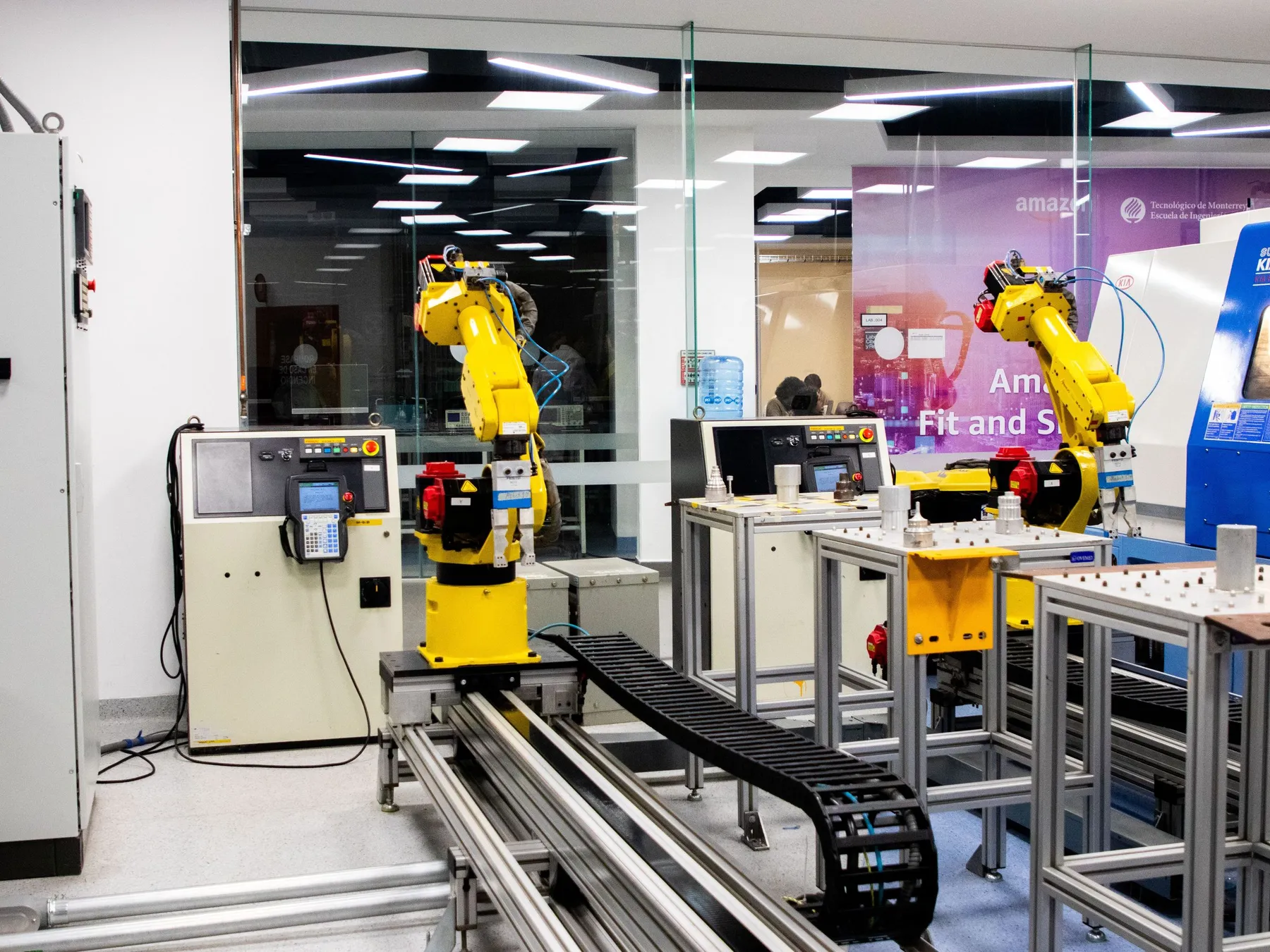
Automated workstation projects

Applicable to:Multi-machine units in machining companies like automotive parts manufacturers.

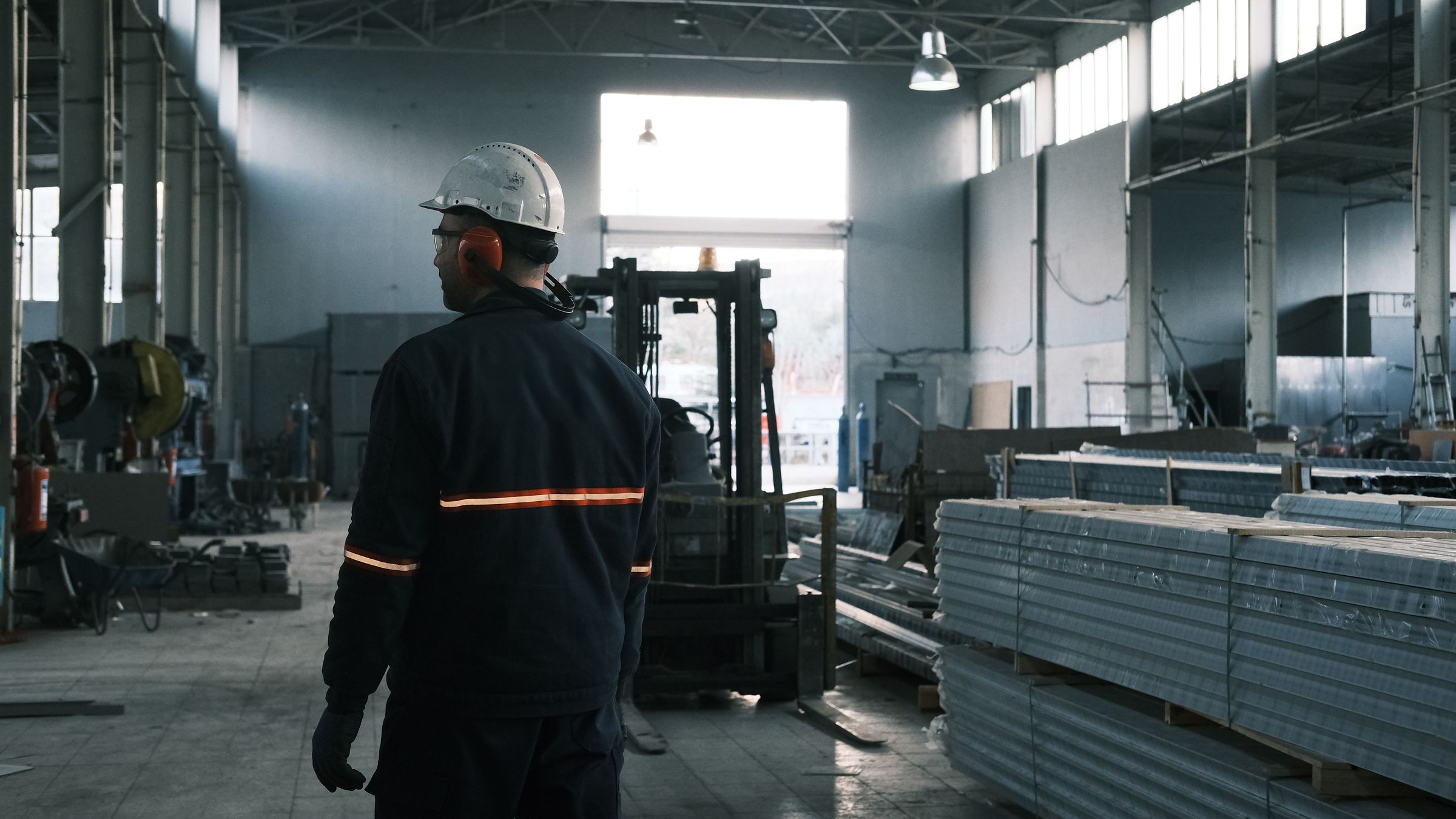
Implementation scope:Loading & Unloading workstations, robot pick-and-place, machining processes, and unified control logic.

Key indicators:Overall cycle, night shift staffing, and replication deployment cycle.

Workshop digitalization projects

Applicable to:Machining workshops with many types of small batches, requiring a unified production view.

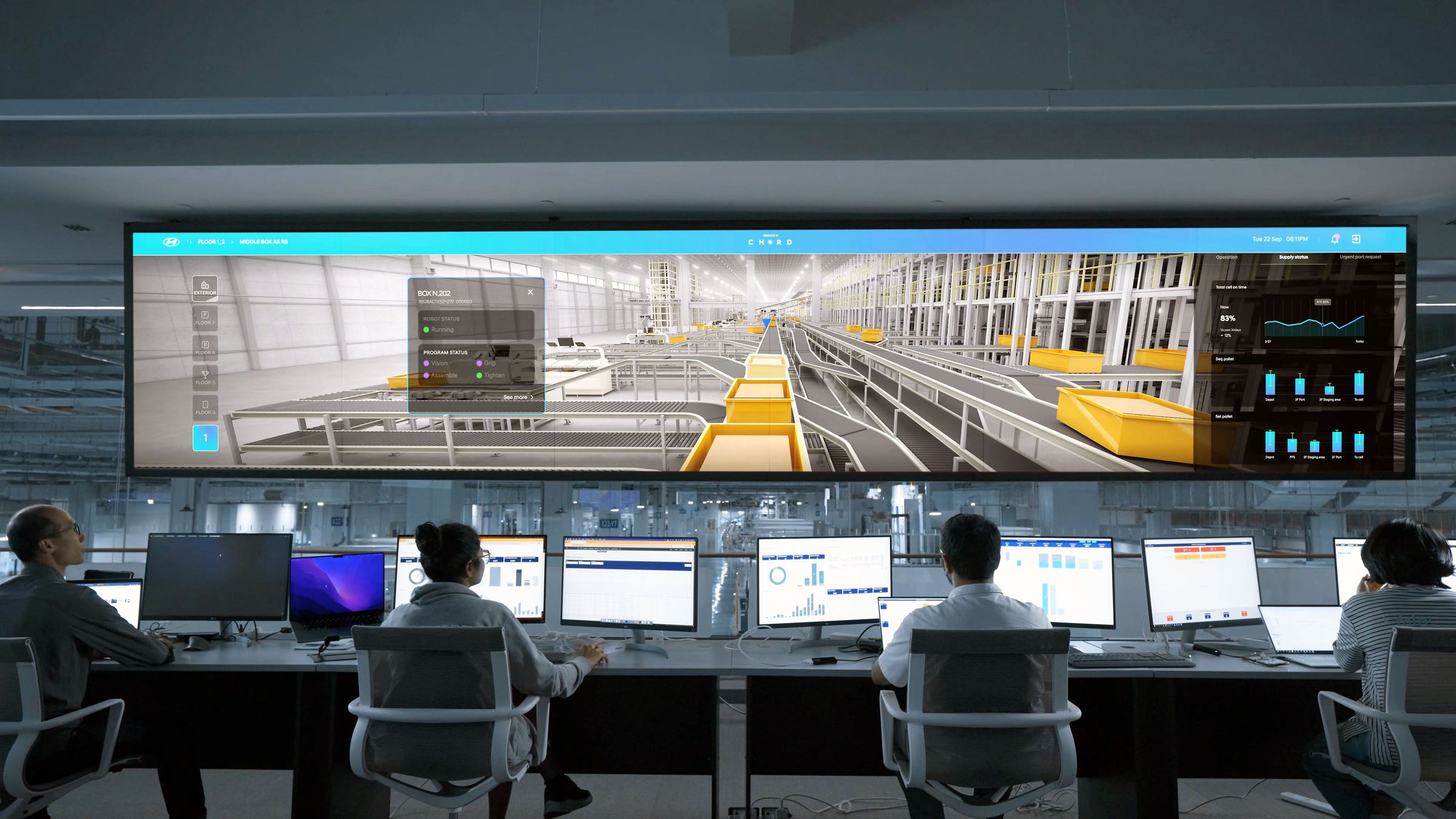
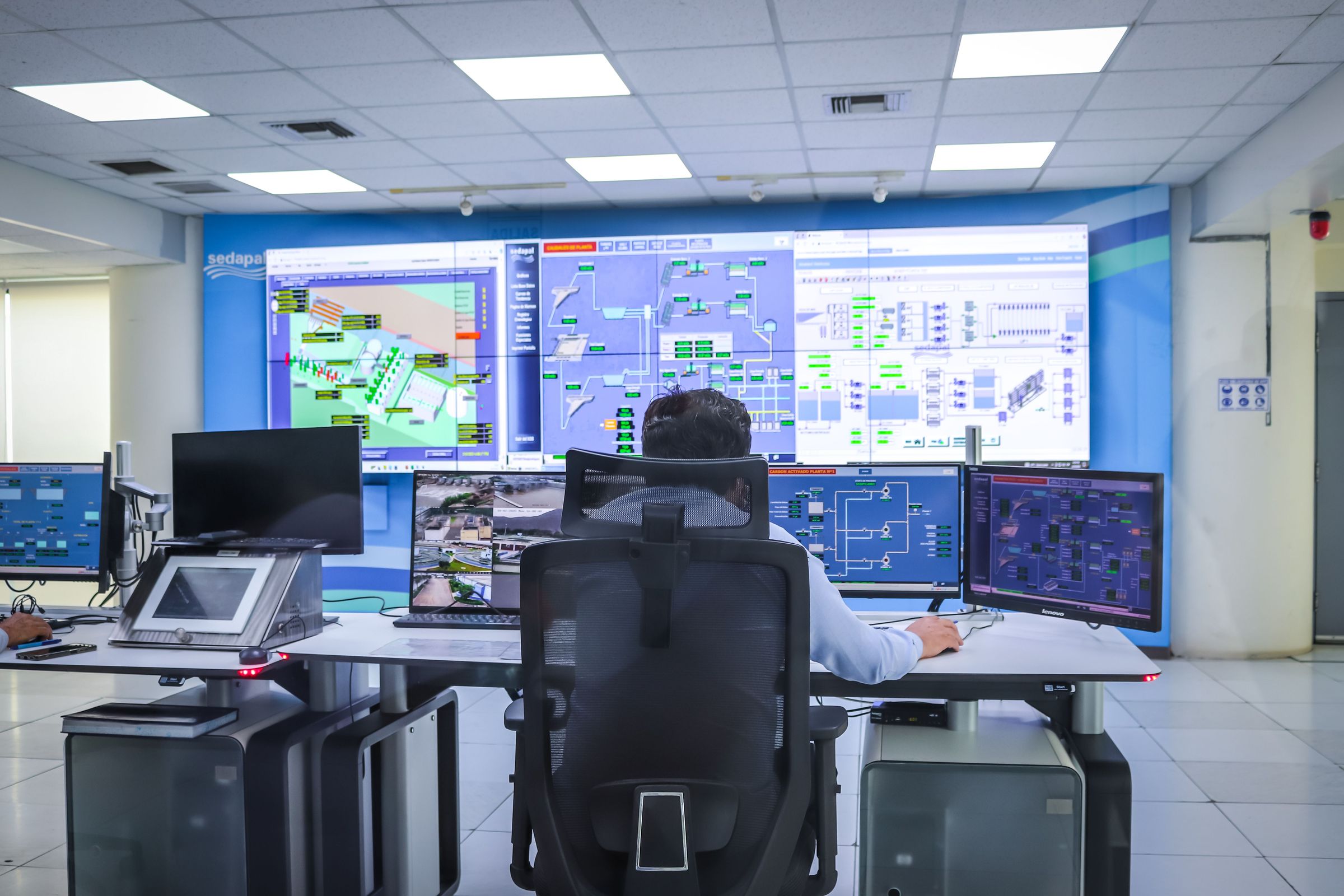
Implementation scope:Work orders, equipment status, quality inspection, exception closure, and production boards.

Key indicators:On-time delivery rate, completeness of quality records, and cross-position information consistency.

From pilot to replication

Step 1:Confirm workpieces, machines, cycle, shifts, and on-site interfaces.

Step 2:Complete joint debugging of equipment, control, vision, data, and safety boundaries.

Step 3:Accompany production to verify real cycle, consolidate parameters, and expand to more workstations.

MORE SCENARIOS

Different sites can all find suitable entry points

From Loading & Unloading and vision-guided picking to quality inspection and logistics collaboration, first solve the most specific on-site issues, then gradually expand the system boundaries.

Small-batch flexible production scenarios
Flexible manufacturing

Multi-type, small batch

Fast changeover, recipe management, and workpiece identification to match the production pace of frequent order changes.

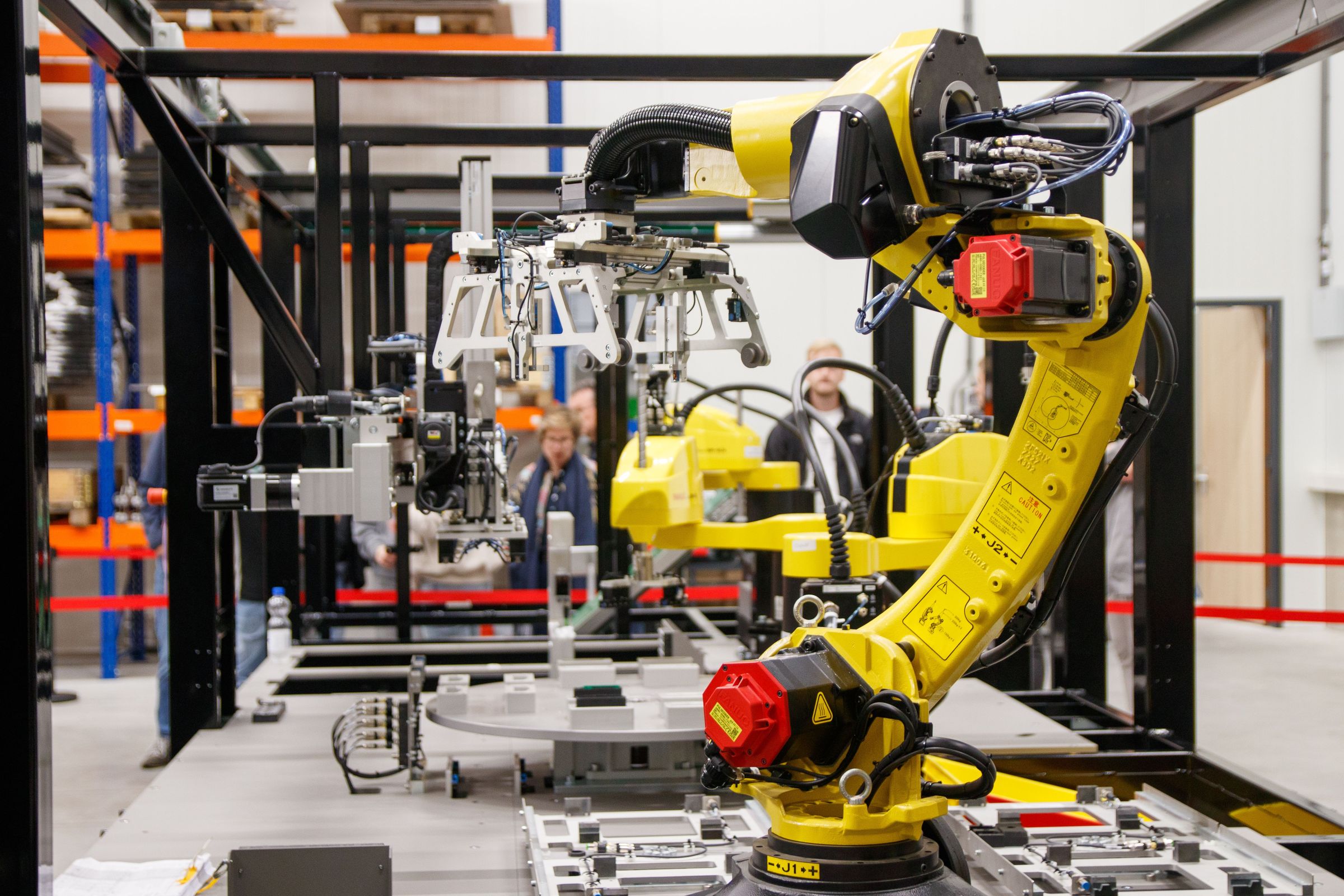
Visual recognition and robot picking scenarios
Vision applications

Complex incoming material picking

Handle unordered incoming materials through visual positioning and picking strategies, reducing manual sorting and repeated positioning.

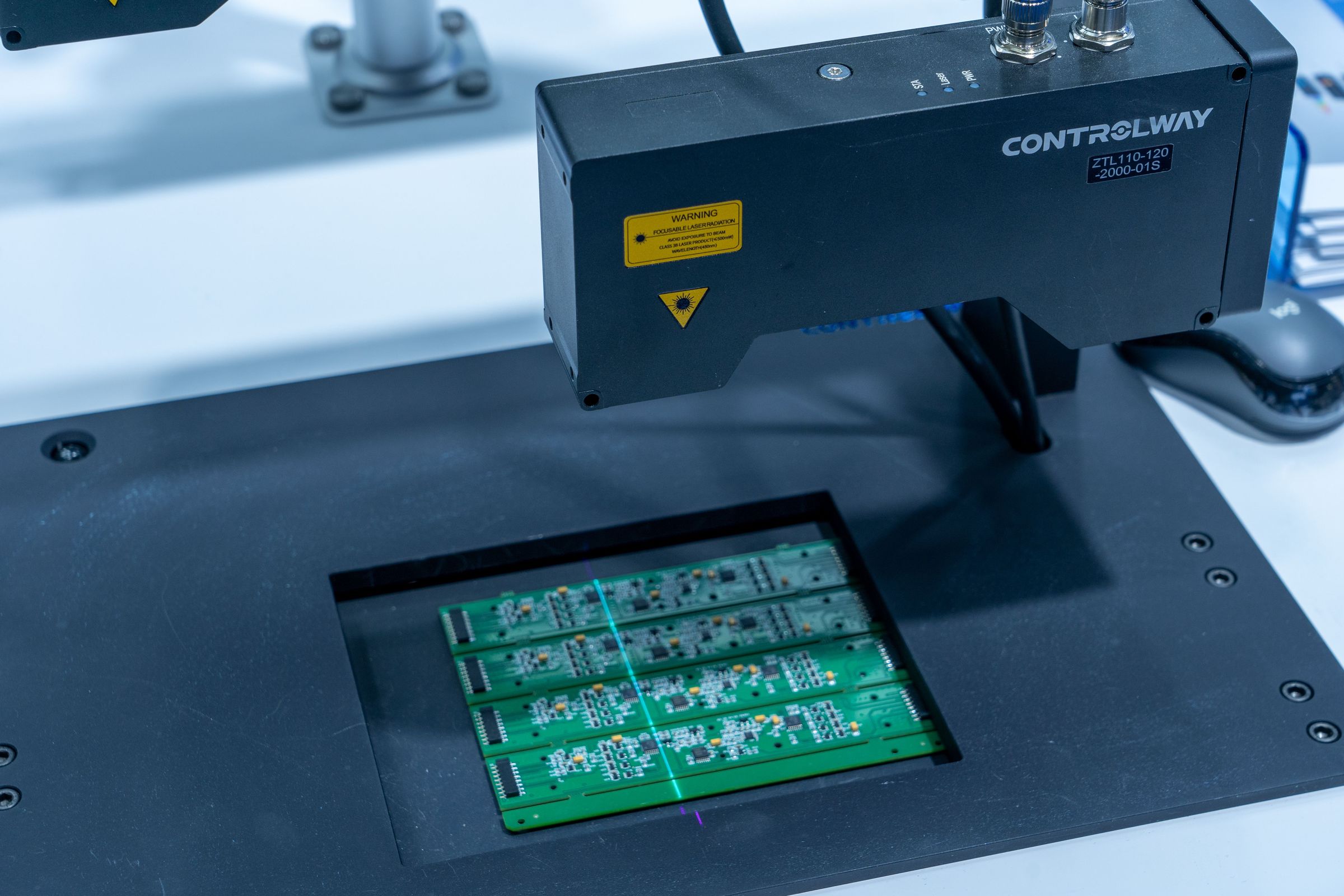
Automated quality inspection scenarios
Quality feedback loop

Automatic post-process inspection

Associate inspection results with work orders and equipment, so anomalies can be tracked, reviewed, and continuously improved.

MES and AGV logistics coordination scenarios
Logistics collaboration

Automatic delivery between processes

Combine MES tasks and on-site logistics to reduce in-process waiting and move materials according to tasks.

DELIVERY METHOD

Common methods behind the cases

It doesn't stop at 'buy one piece of equipment,' but links field survey, system integration, go-live production support, and continuous optimization into a closed loop.

  1. 01

    On-site diagnosis

    Sort out cycle, process, interfaces, and teamwork to identify the most valuable improvement points.

  2. 02

    Solution implementation

    Complete joint design and debugging of equipment, control, vision, data, and safety boundaries.

  3. 03

    Go-live optimization

    Accompany production to verify the real cycle, consolidate standard parameters, and replicate to more workstations and production lines.

START WITH YOUR SITE

Which step is right for your site?

You can start with a workstation, a process, or a type of data, gradually expanding verifiable improvements into a complete solution.