
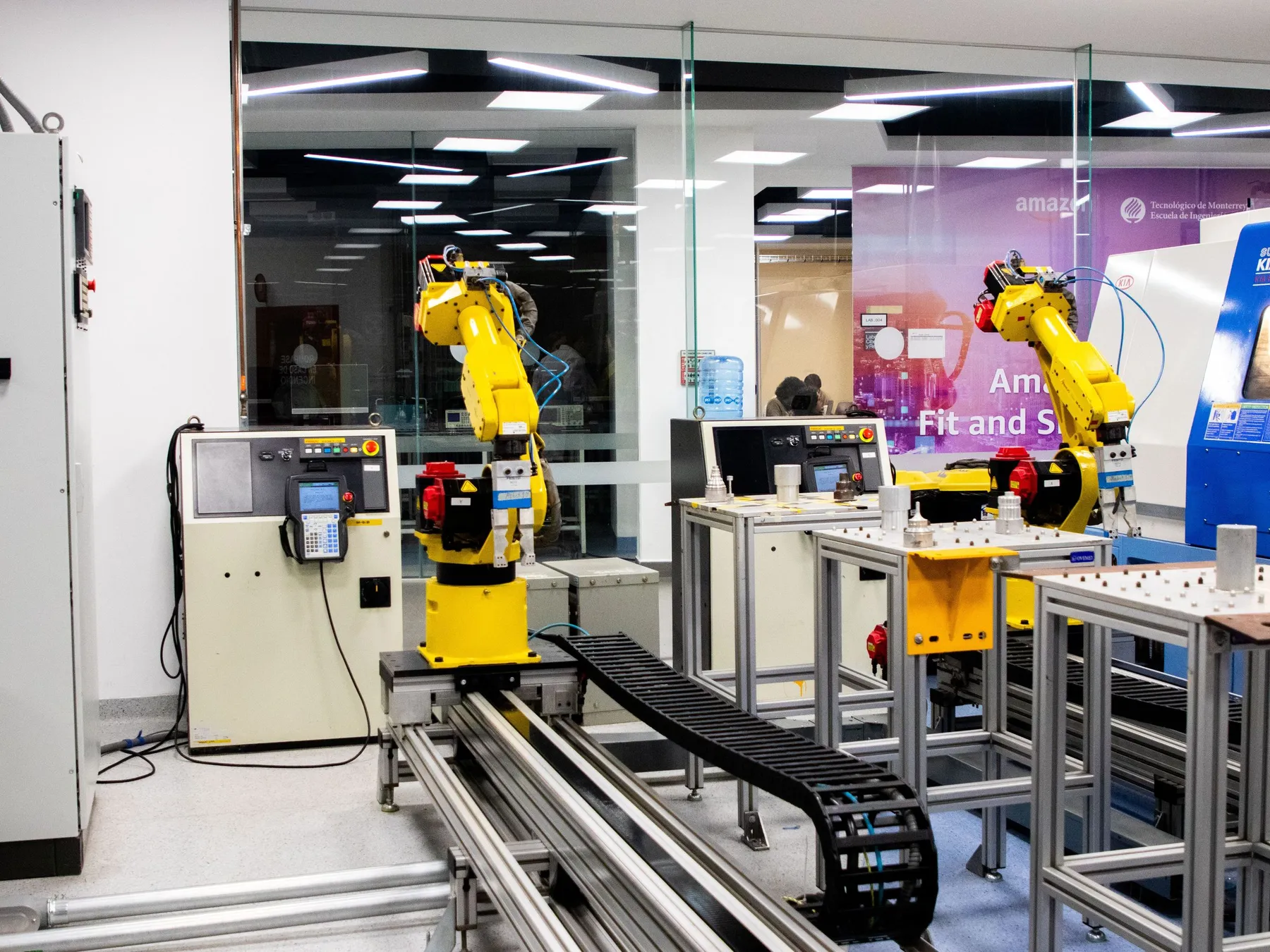
Product and Process Complexity
Identify product versions, BOM hierarchy, process steps, and dependencies between workstations.
Based on the product structure, process organization, quality checkpoints, and material flow on the industry site, select a suitable production execution combination. The system is suitable for manufacturing sites with many varieties, multiple processes, multiple batches, and gradual device networking.
Industry profiles are used to identify management priorities and do not represent a fixed software version. The implementation scope should ultimately be based on specific product families, process flows, production organization, and quality requirements.
Identify product versions, BOM hierarchy, process steps, and dependencies between workstations.
Confirm actual rules for scheduling, changeovers, dispatching, reporting, downtime, and WIP movement.
Determine the manufacturing records that need to be kept for incoming materials, processes, testing, packaging, and delivery.
Each industry profile focuses on on-site characteristics, major management issues, applicable feature combinations, and implementation concerns. The specific feature definitions are based on the complete catalog.

Scheduling tasks do not match equipment capacity; manual reporting, downtime, and completion quantities are difficult to standardize.
Planning and Orders, Production Execution, Equipment and External Integration, Analysis and Reporting.
Start with lines where the product family is relatively stable, establish links between work orders, workstations, reporting, and equipment status, then expand to OEE and multi-line scheduling.
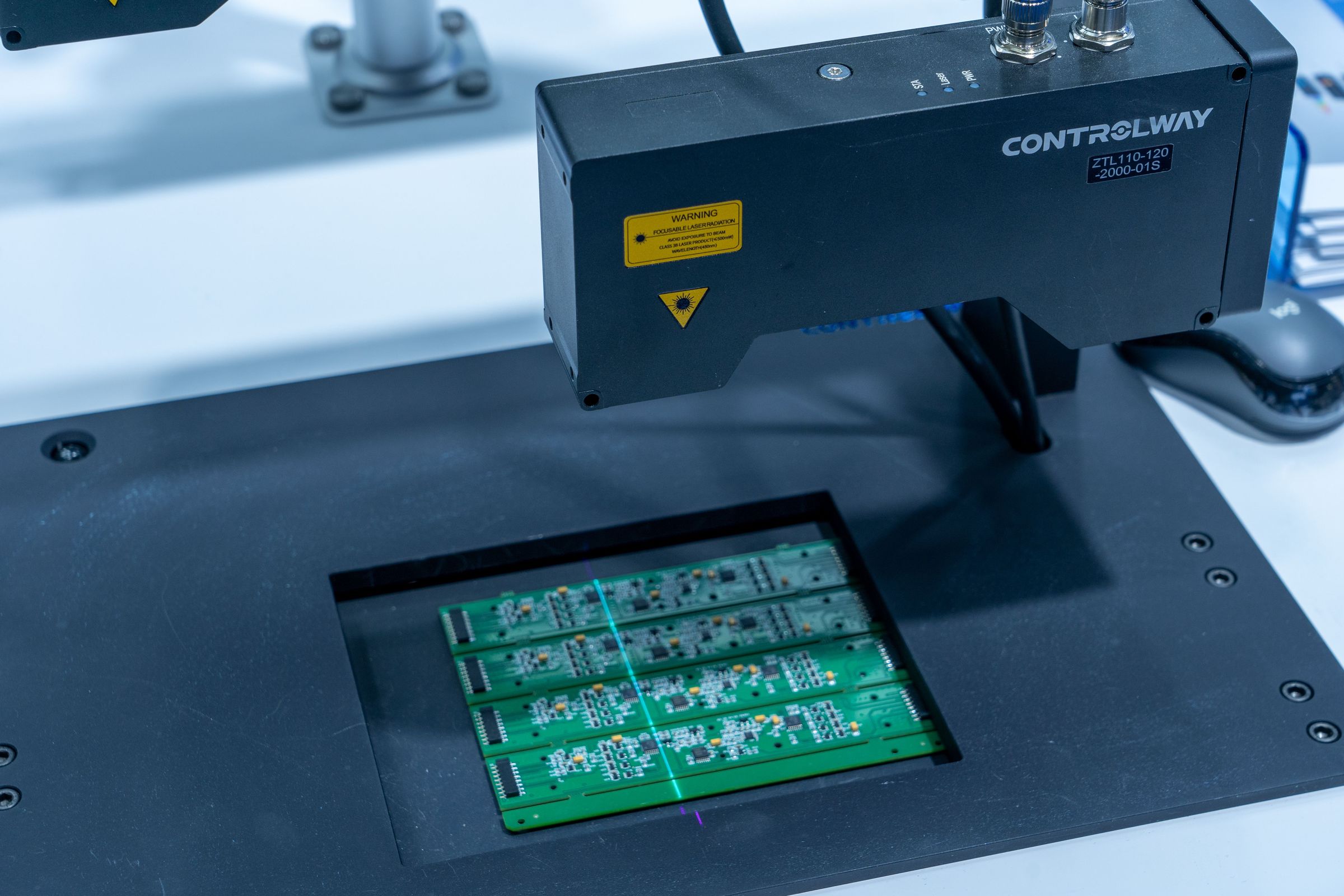
Issues with material mixing and insufficient link between test results and product batches make it hard to quickly define the impact range when anomalies occur.
Product, Process and BOM, Production Execution, Quality and Traceability, Packaging and Logistics.
Prioritize locking in product versions, workstation steps, and quality gates, then integrate barcode scanning, test interfaces, and packaging tray handovers.

Product versions, material sources, changeover records, and first article results are scattered across different records, making process variations hard to review.
Planning & Orders, Products, Processes & BOM, Materials & Inventory, Quality & Traceability, Analysis & Reporting.
Establish links between process versions, material batches, first article inspections, and scrap records, with data collection phased in after manual processes stabilize.
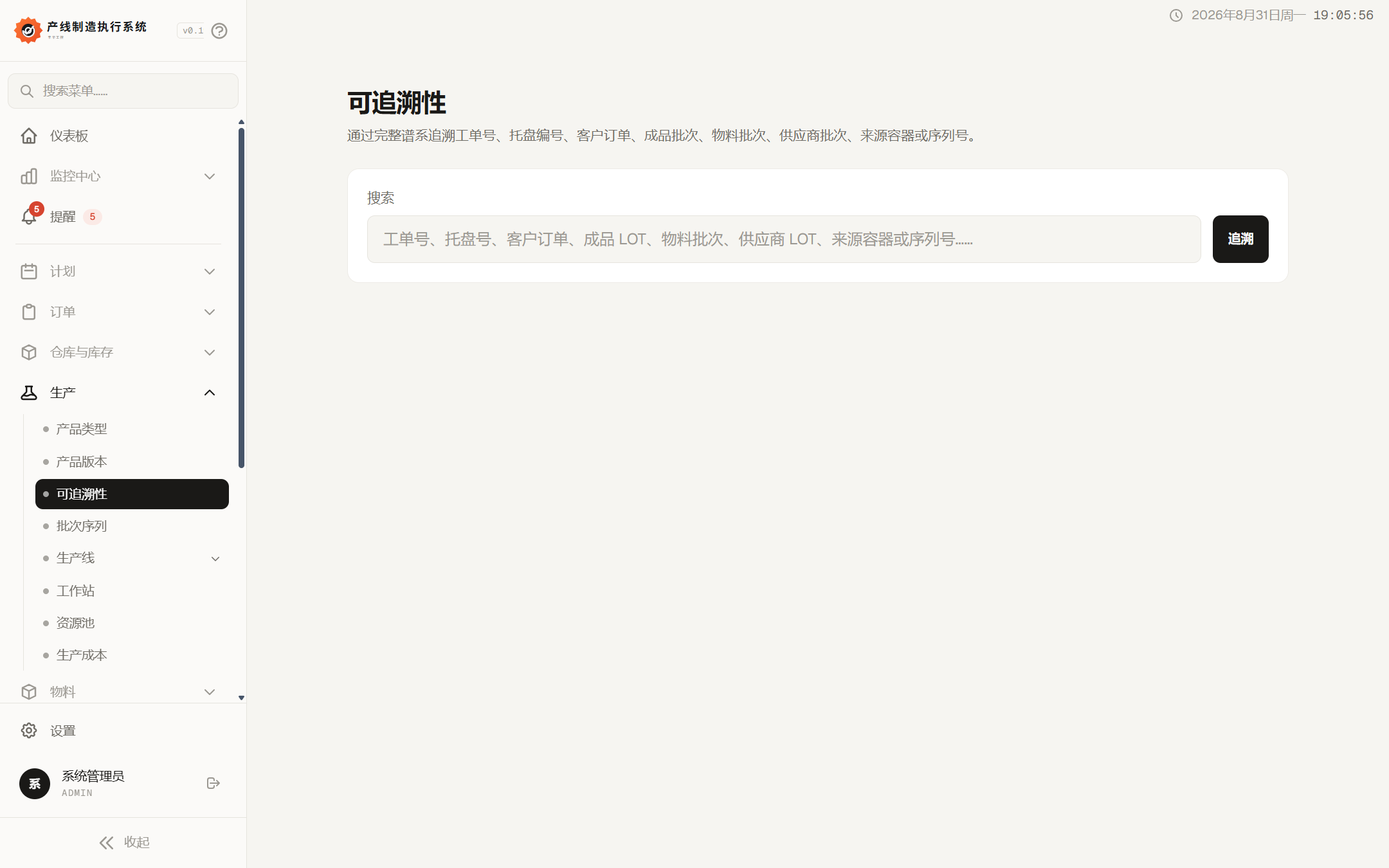
Multiple processes, batches, and quality results are interlinked; it's essential to quickly identify the source, destination, and impact of abnormal batches.
Production Execution, Materials & Inventory, Quality & Traceability, Packaging & Logistics, Equipment & External Integration.
Prioritize the connection of incoming materials, key processes, testing and judgment, and packaging handover, and establish the source and destination relationship from material batches to finished product LOT.
The table below is for early scope discussion; actual implementation still needs to consider product, equipment, quality standards, and existing system interfaces.
Industry names cannot replace on-site research. The clearer the following conditions, the more suitable it is to carry out an MES pilot on a production line basis.
ERP continues to be responsible for orders, procurement, finance and master planning; WMS is responsible for warehousing operations; PLM/QMS, CMMS and IoT platforms continue to assume their respective professional responsibilities. The MES is responsible for converting inputs into executable production tasks on the shop floor and transmitting back production results, quality status and batch associations.
View system positioning →It is recommended to start from a product line with complete processes, clear quality requirements and quantifiable handover issues, first form the manufacturing facts, and then evaluate more industry units.
Map out products, processes, workstations, materials, quality checkpoints, and existing system boundaries.
Link work orders, batches, reporting, quality, packaging, and handover records to verify initial goals.
Increase OEE, equipment interfaces, ERP/WMS synchronization, and more production lines based on pilot results.
Submit industry, product type, process route, batch rules, quality checkpoints, and current equipment networking status to obtain targeted implementation boundary recommendations.